188.2K
Downloads
170
Episodes
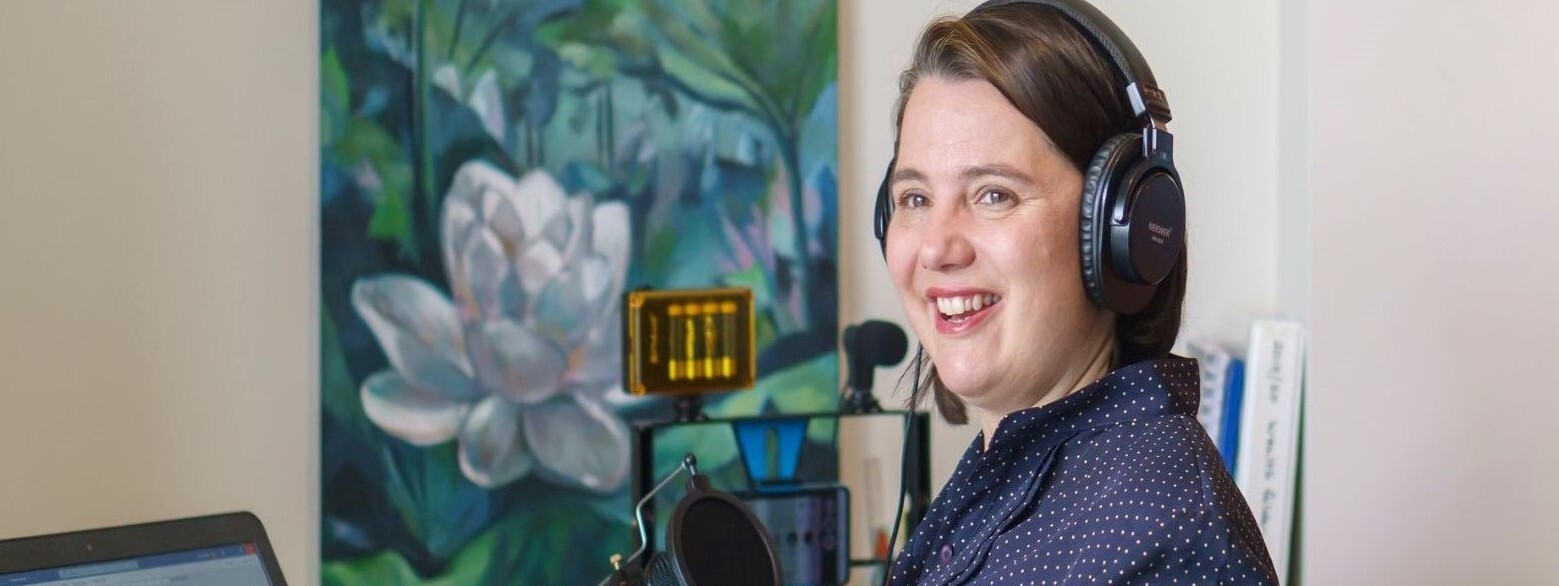
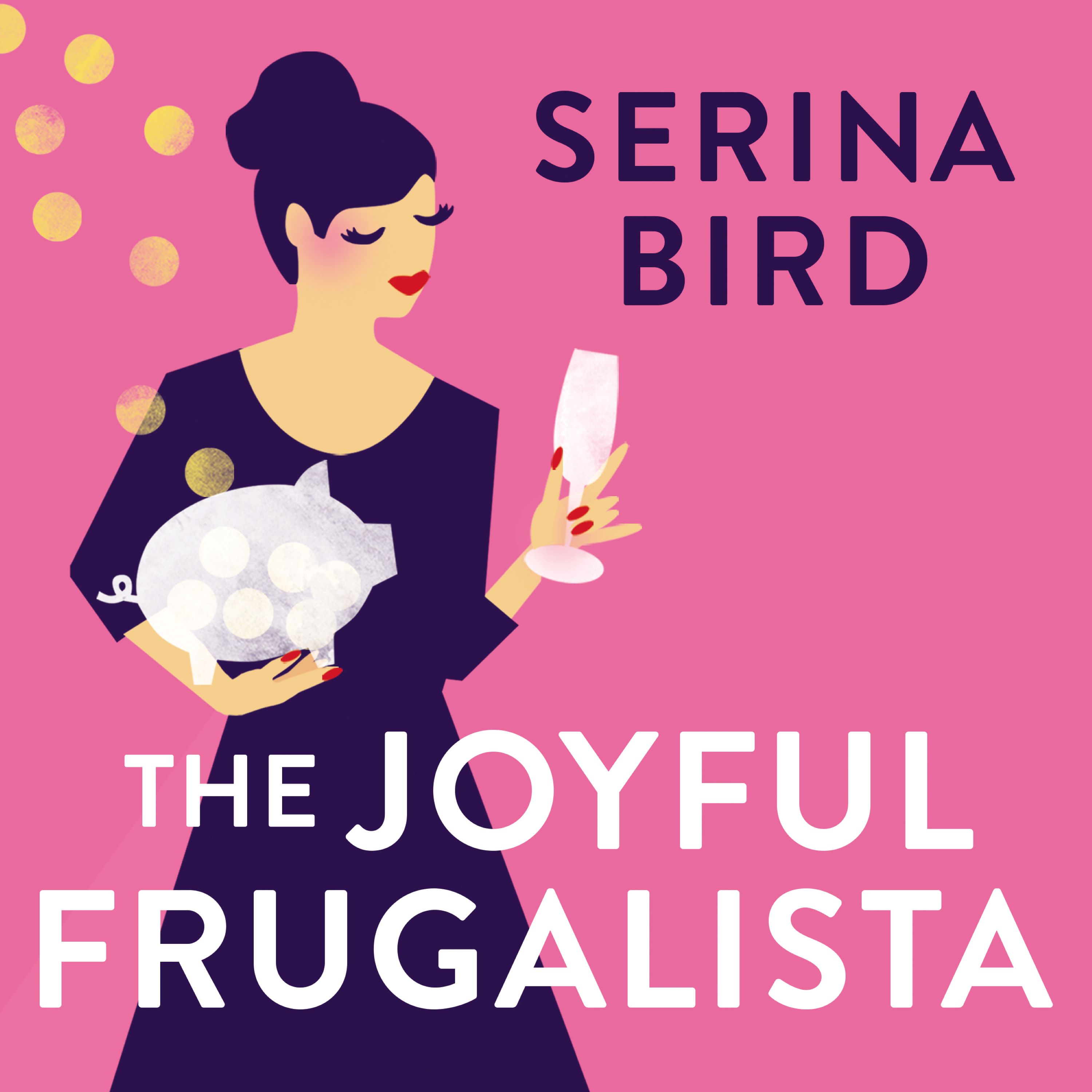
Serina Bird, author of The Joyful Frugalista, chats with friends, family, and the famous about frugality, investing, wellbeing and living sustainability.
Episodes

4 days ago
4 days ago
33 min
In this episode, financial services veteran and founder of Life Sherpa, Australia's leading online personal advice service, Vince Scully discusses the realities of retirement, busts common myths, and offers practical advice on planning for a secure and fulfilling retirement.
Vince is the author of three books, including his latest (coauthored with Glen James) 12 Months to Retire Right: The Step-by-Step Guide to Build Wealth and Retire on Your Terms.
Key topics
- Retirement myths and misconceptions
- The importance of early planning for retirement
- The impact of superannuation and the 'sweet spot' myth
- Psychological aspects of retirement and lifestyle expectations
- The role of financial advice in retirement planning
- The significance of planning for the unexpected
6 days ago
6 days ago
33 min
In this episode, financial services veteran and founder of Life Sherpa, Australia's leading online personal advice service, Vince Scully discusses the realities of retirement, busts common myths, and offers practical advice on planning for a secure and fulfilling retirement.
Vince is author of three books, including his latest that he has coauthored with Glen James: 12 Months to Retire Right: The Step-by-Step Guide to Build Wealth and Retire on Your Terms.

Sep 16, 2026
Sep 16, 2026
28 min
In this episode, Serina Bird chats with economists Catie Bradbear and Melissa Bray about their book 'Power in Numbers: Australian Women in Economics', published by Melbourne University Press. Catie and Mel share insights about the contributions of 16 Australian women in economics, including women in senior leadership positions and women in history.
Takeaways
- Women now head several major Federal government departments in Australia
- Diversity in leadership roles enhances decision-making quality
- Sliding door moments can have a major impact on a career
- Several Australian women have made a substantial contributions to public policy.
Sep 15, 2026
Sep 15, 2026
28 min
In this episode, Serina Bird chats with economists Catie Bradbear and Melissa Bray about their book 'Power in Numbers: Australian Women in Economics', published by Melbourne University Press. Catie and Mel share insights about the contributions of 16 Australian women in economics, including women in senior leadership positions and women in history.
Takeaways
- Women now head several major Federal government departments in Australia
- Diversity in leadership roles enhances decision-making quality
- Sliding door moments can have a major impact on a career
- Several Australian women have made a substantial contributions to public policy.

Aug 26, 2026
Aug 26, 2026
37 min
In this episode, Serina Bird interviews her husband Neil about their frugal lifestyle and how they manage money in their relationship. Neil talks about his new love - their new car! - and drills down on the financial and safety considerations behind that purchase. Neil also talks about cruising, tips for international travel and how to eat in while living in a hotel.
Takeaways
- Neil and Serina met online in 2017 and married in 2018
- They both consider themselves to be frugal
- They have built financial stability and no longer live from payday to payday
- Neil shares the research he did to buy their cars - and why they recently bought a second one
- Neil provides tips for saving money cruising
- Neil talks about cooking in an apartment
This episode also includes a tribute to the late Lord Joseph (Joe) McGrail-Bateup, Queanbeyan and Canberra Town Crier, the Guiness Book of Records loudest man in the world, and 'the voiceover guy' from earlier episodes.

Aug 16, 2026
Aug 16, 2026
44 min
In this episode, Serina Bird interviews her husband Neil about their frugal lifestyle and how they manage money in their relationship. Neil talks about his new love - their new car! - and drills down on the financial and safety considerations behind that purchase. Neil also talks about cruising, tips for international travel and how to eat in while living in a hotel.
Takeaways
- Neil and Serina met online in 2017 and married in 2018
- They both consider themselves to be frugal
- They have built financial stability and no longer live from payday to payday
- Neil shares the research he did to buy their cars - and why they recently bought a second one
- Neil provides tips for saving money cruising
- Neil talks about cooking in an apartment
This episode also includes a tribute to the late Lord Joseph (Joe) McGrail-Bateup, Queanbeyan and Canberra Town Crier, the Guiness Book of Records loudest man in the world, and 'the voiceover guy' from earlier episodes.

Jul 19, 2026
Jul 19, 2026
34 min
Serina is joined by returning guest Lacey Filipich, award‑winning financial educator, author and founder of Money School. Together, they unpack why financial literacy is still so challenging for many Australians, why it's a global problem, the difference between financial counselling and financial advice, and how finfluencers are reshaping the landscape - for better and worse. Lacey also discusses a new white paper she co-authored on strengthening adult financial capability.
Topics Covered
-
Financial literacy gaps in Australia
-
Financial counselling vs financial advice
-
How financial stress affects decision‑making
-
The rise (and risks) of finfluencers
-
Why independent financial education matters
-
Lacey’s new white paper on money coaching.
About Lacey Filipich
Lacey is a financial educator, TEDx speaker, bestselling author and founder of Money School. She teaches practical money skills to adults and parents and is a co‑author of a new white paper on improving financial capability in Australia.
Resources
-
National Debt Helpline (for free financial counselling)

Jul 18, 2026
Jul 18, 2026
34 min
Serina is joined by returning guest Lacey Filipich, award‑winning financial educator, author and founder of Money School. Together they unpack why financial literacy is still so challenging for many Australians, why it's a global problem, the difference between financial counselling and financial advice, and how finfluencers are reshaping the landscape: for better and worse. Lacey also discusses a new white paper she co-authored on strengthening adult financial capability.
Topics Covered
-
Financial literacy gaps in Australia
-
Financial counselling vs financial advice
-
How financial stress affects decision‑making
-
The rise (and risks) of finfluencers
-
Why independent financial education matters
-
Lacey’s new white paper on money coaching.
About Lacey Filipich
Lacey is a financial educator, TEDx speaker, bestselling author and founder of Money School. She teaches practical money skills to adults and parents and is a co‑author of a new white paper on improving financial capability in Australia.
Resources
-
National Debt Helpline (for free financial counselling)

Jun 15, 2026
Jun 15, 2026
29 min
In this episode, Serina Bird chats with bestselling author and entrepreneurship expert Bernadette Schwerdt about the secrets behind Australia’s most successful online founders. Drawing on insights from her latest book, Secrets of the New Online Entrepreneurs, Bernadette shares the mindset shifts, digital strategies, and real‑world stories that reveal how everyday people are building extraordinary businesses in the new digital economy.
Topics covered
-
The traits shared by Australia’s most successful online founders
-
Why persistence matters
-
How to choose the right business model for the life you want
-
The role of authenticity and personal brand
-
What founders wish they knew before partnering up
-
How digital creators turn attention into income
-
The biggest mistakes new entrepreneurs make
About Bernadette Schwerdt
Bernadette Schwerdt is an award‑winning Australian entrepreneur, bestselling author, and one of the country’s leading experts on online business and copywriting. She is the founder of the Australian School of Copywriting, a long‑time tutor at the Australian Writers’ Centre, and the ghostwriter behind several high‑profile business biographies including Catch of the Decade and How to Build a Business Others Want to Buy. With decades of experience interviewing founders, coaching authors, and analysing what makes digital businesses succeed, Bernadette brings a rare combination of storytelling, strategy, and practical wisdom to the world of entrepreneurship.

Jun 13, 2026
Jun 13, 2026
29 min
In this episode, Serina Bird chats with bestselling author and entrepreneurship expert Bernadette Schwerdt about the secrets behind Australia’s most successful online founders. Drawing on insights from her latest book, Secrets of the New Online Entrepreneurs, Bernadette shares the mindset shifts, digital strategies, and real‑world stories that reveal how everyday people are building extraordinary businesses in the new digital economy.
Topics covered
-
The traits shared by Australia’s most successful online founders
-
Why persistence matters
-
How to choose the right business model for the life you want
-
The role of authenticity and personal brand
-
What founders wish they knew before partnering up
-
How digital creators turn attention into income
-
The biggest mistakes new entrepreneurs make
About Bernadette Schwerdt
Bernadette Schwerdt is an award‑winning Australian entrepreneur, bestselling author, and one of the country’s leading experts on online business and copywriting. She is the founder of the Australian School of Copywriting, a long‑time tutor at the Australian Writers’ Centre, and the ghostwriter behind several high‑profile business biographies including Catch of the Decade and How to Build a Business Others Want to Buy. With decades of experience interviewing founders, coaching authors, and analysing what makes digital businesses succeed, Bernadette brings a rare combination of storytelling, strategy, and practical wisdom to the world of entrepreneurship.